Inner Coherence
When the nervous system organizes differently, life begins to feel different. Let's have a conversation
Inner Coherence — counselling for restoring the nervous system, timing, and aliveness.
Guided by somatic therapy, relational neuroscience, and nervous system literacy, Vivananda Gaia supports you to not only understand and regulate your nervous system but restore it, build emotional resilience, and feel more grounded and alive.
Her approach works with the natural rhythms of the nervous system and the body’s inherent ability to self-organize in areas of internal awareness, attention, orientation, relationships, and vitality.
Inner Coherence – finding the way back to yourself
Inner Coherence is counselling that restores nervous system organization so regulation becomes more natural and less effortful. Patterns shaped by stress, trauma, and long-term self-override reorganize as the nervous system regains coherence.
Inner Coherence refers to a state where your body, emotions, and attention are working together—so you can feel steady, clear, and able to respond without overriding yourself.
The modality works with the organizing processes that shape how experience unfolds. Rather than working only with thoughts, emotions, or specific memories, Inner Coherence works with the organization from which those experiences arise.
If may have a lot of insight, but still find yourself not responding to life they way you’d like.
For example, someone may understand that a relationship isn’t healthy, yet each time they see the other person they lose clarity and feel certain it will work this time.
Another person may notice they become highly affected by other people’s moods or reactions, even when they know those feelings aren’t their responsibility.
Someone may feel calm and grounded when alone but immediately begin overthinking, people-pleasing, or doubting themselves in social situations.
As these examples show, when this organization is disrupted, life can feel effortful or we can react in ways that we wish we wouldn’t. You may understand your patterns, but feel like you have no control over them or feel off, disconnected, or unable to settle.
After years of working with trauma therapies like EMDR, it became clear that even when symptoms improved, many people still didn’t feel fully like themselves. What was often missing was not insight—but a return to the body’s natural organization.
Book a call to look at what’s actually happening in your system.
Building Inner Coherence and Self-Organization
Sometimes the issue isn’t insight or unresolved memories.
It’s that the nervous system has learned to organize experience in ways that make it difficult to remain connected to yourself in certain situations
This work helps you:
- feel your body more clearly
- stay with yourself in moments you would normally leave
- soften protective patterns without forcing change
- move out of numbness or overactivation
- rebuild trust in your internal sense of what’s right
This approach may be a fit if:
- you’ve done therapy but still don’t feel fully like yourself
- you understand your patterns but they keep repeating
- you feel pulled outward in relationships and lose connection to yourself
- slowing down doesn’t seem to help
- your clarity comes and goes quickly

Why do I still feel stuck?
You’ve processed the past, yet still:
- overthink certain interactions
- lose clarity around particular people
- doubt yourself after feeling certain
- feel “off” without knowing why
- know what is healthy, but struggle to live it
Many people come to therapy because they want to feel different.
They process difficult experiences, gain insight into their patterns, and develop new ways of coping. Yet something still doesn’t feel settled. They may continue to feel pulled out of themselves in certain situations, react in ways that surprise them, or sense that life requires more effort than it should. Often, the issue isn’t a lack of insight. It’s how the nervous system has learned to organize experience.
Inner Coherence works with organizing processes so that regulation, relationships, and clarity begin to change from the inside out.
A Quiet Remembering, Not a Reinvention
Many people come to this work believing they must learn entirely new ways of being in order to heal, connect, or thrive.
I know that feeling well. At times, I became discouraged by the idea that meaningful change would require me to think differently, feel differently, and relate differently than I had my entire life. It felt as though I would need to construct a new version of myself and somehow make it stick.
What I discovered was something quite different.
As the nervous system becomes more coherent and organized, change often emerges not as a constant effort to become someone new, but as a return to capacities that were already present beneath adaptation, protection, and overwhelm.
Unlike a big revelation that may not stabilize and integrate into day-to-day life, clients often describe it like a quiet remembering. Others track a process that starts with a feeling of regaining access and overtime feels like a re-engagement with their lives.
The shift is not pushed. Rather the right conditions are provided for change to happen organically. It becomes increasingly natural to respond from a place that feels more settled and more authentically one’s own.

The Science Behind Organization of the Nervous System
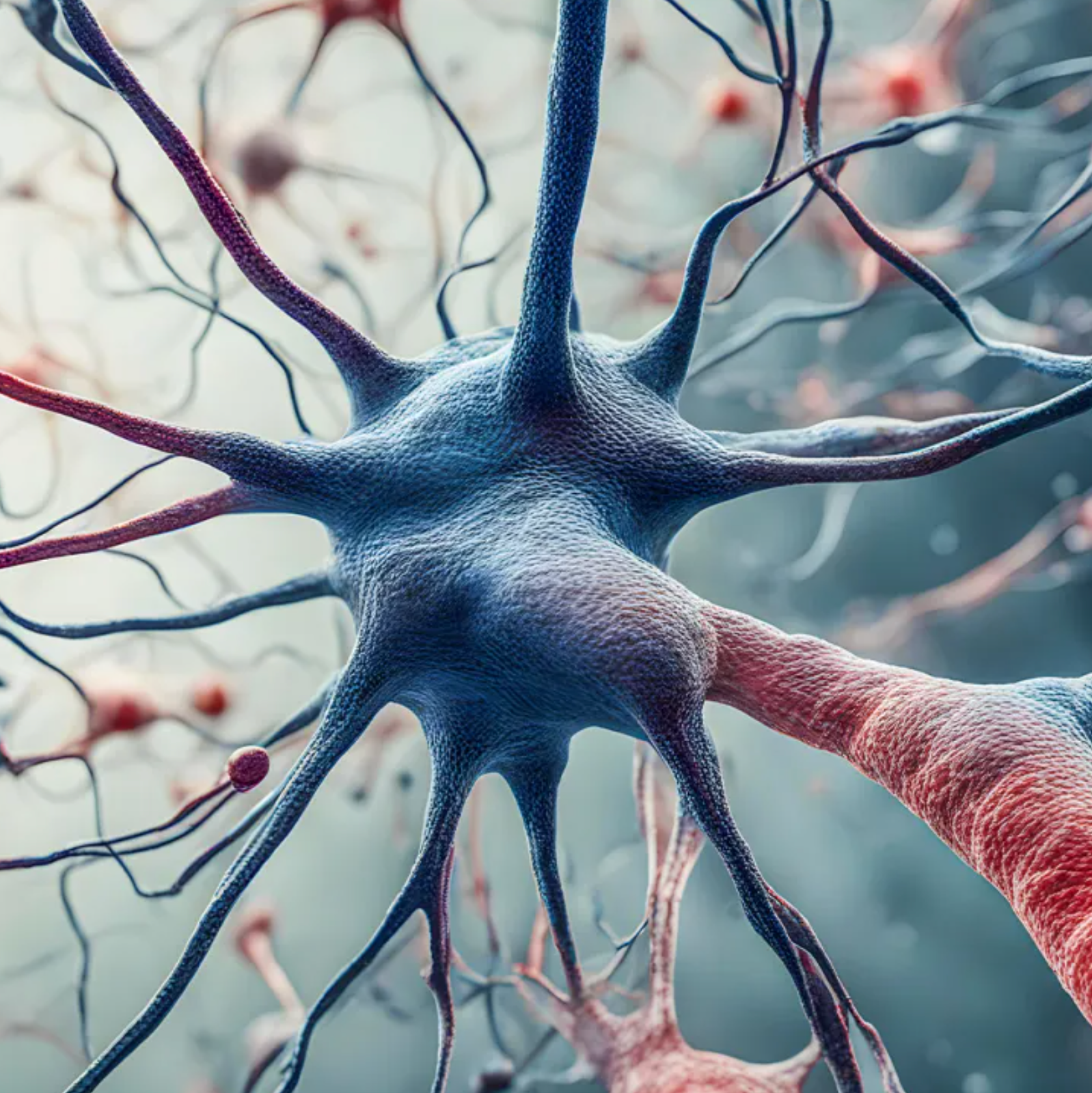
A key part of this work is how your body organizes experience from within.
This involves:
• interoception — sensing what is happening inside your body
• proprioception — sensing where your body is in space
When these work together, you feel more centred, stable, and present.
When they fall out of sync, attention shifts outward. You may feel less anchored in yourself and more reactive to your environment.
Inner Coherence work supports the restoration of this integration, allowing you to remain with yourself while engaging with the world around you.
When the System Organizes, Regulation Follows
As your ability to sense your body and stay oriented in yourself strengthens, your nervous system begins to stabilize.
Regulation is no longer something you have to manage—it begins to emerge.
You may notice:
- more ease in your body
- less urgency to act, fix, or withdraw
- more capacity to stay present in situations that once felt overwhelming
This shift is often associated with increased tone—the nervous system’s ability to support states of connection, rest, and the system’s ability to detect inner guidance.
When this state becomes more available, you may feel:
- more open and engaged, without losing yourself
- clearer in your responses and decisions
- more energy available for connection, creativity, and daily life
In this work, regulation is not something you force.
It is something that begins to emerge as your system comes back into coherence.
Meet Your Practitioner
Vivananda Gaia, MEd, MSW, RSW
Registered Social Worker • Inner Coherence Counsellor • Integration Specialist
Vivananda’s Inner Coherence counselling focuses on increasing self-awareness, restoring inner authority, trauma adaptation healing, and somatic embodiment.
Inner Coherence is the core of all the work at Gaia Integration. The approach draws from:
- Somatic therapies
- Nervous System Literacy
- Depth Psychology
- Relational neurobiology
- Embodied Cognition
Sessions are experiential, gentle, and paced to honour each person’s unique timing.
Watch this video to get to know Vivananda.
Coherence Restores What Effort Cannot
When your system is supported in ways that are compatible with it, clarity, aliveness, and self-trust begin to return naturally.
Healing begins when we learn to listen to the body —
and respond in ways that don’t override it.
Watch this video to learn about why effort may actually be stalling your progress.

What Happens Inside an Inner Coherence Session?
Sessions support trust in your inner timing, sensation, and experience in relationships. They prioritize embodied resolution over intellectual insight, and inner authority over external guidance.
The work emphasizes listening to the body, allowing natural cycles to complete without pressure, and developing discernment through lived experience rather than interpretation.
Nothing is rushed, intensified, or explained prematurely.
Pauses are welcomed, silence is respected, and meaning is allowed to emerge over time.
This is a space where something essential can return to its natural rhythm.